KW-Trading – Product Sourcing Agency in China
Are you ready to elevate your business by accessing high-quality products at unbeatable prices? Look no further! Our dedicated team specializes in product sourcing in China, providing you with a seamless connection to reliable manufacturers and suppliers tailored to your unique needs.
Our Process: Simple and Effective
At KW-Trading, we specialize in providing comprehensive product sourcing services tailored to meet the unique needs of your business. Our expertise spans various industries, ensuring that you receive high-quality products at competitive prices. Here’s a detailed overview of the services we offer:
✅ Comprehensive Product Sourcing
- We identify and connect you with reliable manufacturers and suppliers in China and other regions, helping you source a wide range of products, from raw materials to finished goods.
✅ Supplier Evaluation and Verification
- Our team conducts thorough assessments of potential suppliers, including background checks and factory audits, to ensure they meet your quality and reliability standards.
✅ Quality Assurance and Control
- We implement rigorous quality control processes, including pre-production samples, in-line inspections, and final product evaluations, to ensure that all products meet your specifications and industry standards.
✅ Logistics and Shipping Management
- We handle all aspects of logistics, including freight forwarding, customs clearance, and shipping coordination, ensuring timely and efficient delivery of your products to your location.
✅ Market Research and Analysis
- Our team provides valuable insights into market trends, pricing, and demand, helping you make informed decisions about your sourcing strategy and product offerings.
✅ Custom Product Development
- We assist with product design and development, collaborating with manufacturers to create customized products that align with your brand and meet market demands.
✅ Packaging and Branding Solutions
- We help you source packaging materials and design solutions that enhance your product’s appeal and align with your branding strategy, ensuring a cohesive presentation.
✅ Ongoing Support and Consultation
- Our commitment to your success extends beyond the sourcing process. We provide continuous support, including assistance with future orders, product updates, and any issues that may arise.
✅ Payment and Financial Management
- We offer flexible payment options and transparent invoicing to ensure a smooth financial transaction process, accommodating your business’s needs.
✅ Sustainability and Compliance Consulting
- We guide you in sourcing sustainable and eco-friendly products, helping you align your sourcing practices with your corporate social responsibility goals and ensuring compliance with relevant regulations.
Why Choose Our Product Sourcing Services ?
🌟 Extensive Network of Trusted Suppliers:
With years of experience in the industry, we have built a vast network of reputable suppliers across various sectors. Whether you’re looking for electronics, textiles, machinery, or consumer goods, we have the connections to meet your demands. Our relationships with manufacturers allow us to negotiate favorable terms and ensure you get the best products available.
🌟 Quality Assurance You Can Rely On:
We understand that quality is paramount. Our team conducts rigorous quality checks and inspections to ensure that every product meets your specifications and standards. We don’t just source products; we ensure they are of the highest quality. Our quality assurance process includes pre-production samples, in-line inspections, and final product evaluations, giving you peace of mind.
🌟 Cost-Effective Solutions for Your Business:
Navigating the complexities of international sourcing can be daunting. Our negotiation expertise and market insights allow us to secure the best prices for you, helping you save both time and money. We work diligently to maximize your profit margins, ensuring that you can compete effectively in your market.
🌟 End-to-End Support for a Hassle-Free Experience:
From the initial product selection to shipping logistics, we handle every aspect of the sourcing process. Our comprehensive services include supplier vetting, contract negotiation, quality control, and shipping coordination, allowing you to focus on what you do best—growing your business. We also provide assistance with customs clearance and documentation, ensuring a smooth import process.
🌟 Tailored Solutions for Every Business Size:
Whether you’re a startup looking to launch your first product or an established company seeking to expand your product line, we cater to businesses of all sizes. Our personalized approach ensures that we meet your specific requirements and help you achieve your goals. We take the time to understand your business model and target market, allowing us to provide customized sourcing solutions.
Join the Ranks of Successful Businesses!
Don’t let sourcing challenges hold you back. With our expertise and commitment to excellence, we can help you source the right products efficiently and effectively, giving you a competitive edge in the market. Our goal is to empower your business with the resources and support you need to thrive in today’s global marketplace.
📞 Get Started Today!
Contact us for a free consultation and discover how our product sourcing services can transform your business. Let us be your trusted partner in navigating the world of sourcing in China! Together, we can unlock new opportunities and drive your business forward.
Address : No 2707A , Seg Building , Huaqiang North Road , Futian District , Shenzhen , China
Whatsapp : +86-15521271637
Email : info@china-buyer.com
Payment Methods
At KW-Trading, we offer a variety of secure and convenient payment methods to ensure a smooth and efficient transaction process for our clients. We understand that flexibility in payment options is essential for meeting the diverse needs of businesses. Here are the payment methods we accept for our product sourcing services:
1. Bank Transfers:
Direct bank transfers are a reliable and secure way to make payments. Clients can transfer funds directly to our business account. We will provide our bank details during the consultation to facilitate this process.
2. Credit/Debit Cards:
We accept major credit and debit cards for quick and easy payments. Our online payment system is secure, allowing you to complete transactions with confidence. This method is ideal for clients who prefer immediate processing.
3. PayPal:
For clients who prefer using digital wallets, we accept payments through PayPal. This method offers an added layer of security and convenience, allowing you to manage your payments easily and efficiently.
4. Escrow Services:
For larger transactions or when additional security is desired, we can arrange for escrow services. This method protects both parties by holding funds in a secure account until all terms of the agreement are met, ensuring peace of mind throughout the sourcing process.
5. Cryptocurrency:
In response to the growing popularity of digital currencies, we also accept select cryptocurrencies as a payment option. This method provides an alternative for clients who prefer to use blockchain technology for their transactions.
6. Payment Plans:
For extensive sourcing projects, we can discuss flexible payment plans tailored to your budget. This option allows you to spread payments over a specified period, making it easier to manage cash flow while still accessing our services.
If you have any questions about our payment methods or would like to discuss your sourcing needs, please don’t hesitate to contact us. We’re here to help you navigate the payment process and ensure a seamless experience as you partner with us for your product sourcing needs!
Shipping Methods for Your Product Sourcing Needs
At KW-Trading, we understand that timely and reliable shipping is crucial for your business. That’s why we offer a variety of shipping methods to ensure your products are delivered efficiently and securely. Here are the primary shipping options we provide:
1. Air Freight:
- Speed: Air freight is the fastest shipping method, ideal for urgent orders or time-sensitive products.
- Best For: High-value items, small shipments, and products that require quick delivery.
- Considerations: Generally more expensive than other methods, but offers the quickest transit times.
2. Sea Freight:
- Cost-Effectiveness: Sea freight is the most economical option for large shipments, making it suitable for bulk orders.
- Best For: Heavy and bulky items, as well as non-urgent shipments.
- Considerations: Longer transit times compared to air freight, but significant cost savings for larger volumes.
3. Express Shipping:
- Speed and Convenience: Express shipping services (e.g., DHL, FedEx, UPS) offer fast delivery with tracking capabilities.
- Best For: Small to medium-sized packages that need to arrive quickly.
- Considerations: Higher costs, but ideal for urgent deliveries and important documents.
4. Rail Freight:
- Balanced Option: Rail freight offers a middle ground between air and sea freight in terms of cost and speed.
- Best For: Shipments within Asia or to Europe, especially for heavy goods.
- Considerations: Transit times are longer than air freight but shorter than sea freight, making it a viable option for certain routes.
5. Road Freight:
- Flexibility: Road freight is often used for domestic deliveries or to transport goods to ports for further shipping.
- Best For: Local deliveries and connecting shipments between warehouses and ports.
- Considerations: Transit times depend on distance and traffic conditions, but it offers flexibility in routing.
6. Consolidated Shipping:
- Cost Savings: Consolidated shipping combines multiple shipments into one container, reducing overall shipping costs.
- Best For: Smaller shipments that can wait for a scheduled departure.
- Considerations: Longer transit times due to waiting for other shipments to fill the container.
If you have questions about our shipping methods or need assistance with your product sourcing and logistics, contact us today for a free consultation. Let us help you navigate the shipping process and ensure your products reach you safely and on time!
Why Choose China for Product Sourcing ?
- Cost-Effectiveness:
China is known for its competitive pricing, allowing businesses to source high-quality products at lower costs. The combination of affordable labor and efficient manufacturing processes can significantly reduce your overall production expenses. - Diverse Product Range:
With a vast array of industries and products, China offers an extensive selection of goods, from electronics and textiles to machinery and consumer products. This diversity allows businesses to find virtually any product they need in one location. - Established Supply Chain:
China has a well-developed infrastructure and supply chain network, making it easier to source products efficiently. The country is home to numerous manufacturers, suppliers, and logistics providers, streamlining the sourcing process. - High-Quality Manufacturing:
Many Chinese manufacturers adhere to international quality standards and have invested in advanced technology and skilled labor. This commitment to quality ensures that you receive reliable products that meet your specifications. - Rapid Production Capabilities:
Chinese manufacturers are known for their ability to scale production quickly. Whether you need small batches or large quantities, they can often accommodate your needs with shorter lead times, helping you respond swiftly to market demands. - Innovation and Customization:
China is at the forefront of innovation, with many manufacturers willing to collaborate on product development and customization. This flexibility allows businesses to create unique products tailored to their target markets. - Access to Global Markets:
Sourcing from China can provide businesses with a competitive edge in global markets. The country’s extensive trade agreements and export capabilities facilitate easier access to international customers. - Strong Supplier Relationships:
Building long-term relationships with Chinese suppliers can lead to better pricing, priority production, and improved communication. Many suppliers are eager to establish partnerships that benefit both parties. - Support for Small and Medium Enterprises:
Chinese manufacturers are increasingly catering to small and medium-sized enterprises (SMEs), offering flexible order quantities and personalized service to help these businesses thrive. - Cultural and Language Support:
With a growing number of bilingual professionals and sourcing agents, navigating the cultural and language barriers is becoming easier. This support can enhance communication and foster better relationships with suppliers.
Choosing China for product sourcing can provide your business with numerous advantages, from cost savings to access to a wide range of high-quality products. By leveraging the strengths of Chinese manufacturing, you can enhance your supply chain and drive your business forward.
If you’re ready to explore the benefits of sourcing from China, contact us today for a free consultation! Let us help you navigate the sourcing process and unlock new opportunities for your business.
Industries We Can Source Products For
Our product sourcing services cover a wide array of industries, ensuring that we can meet the diverse needs of our clients. Here are some of the key industries we specialize in:
- Electronics:
- Consumer electronics (smartphones, tablets, laptops)
- Home appliances (kitchen gadgets, cleaning devices)
- Audio and video equipment (speakers, headphones, cameras)
- Textiles and Apparel:
- Clothing (men’s, women’s, and children’s apparel)
- Fabrics and materials (cotton, polyester, blends)
- Accessories (bags, hats, scarves)
- Consumer Goods:
- Household items (kitchenware, decor, furniture)
- Personal care products (cosmetics, skincare, grooming)
- Toys and games (educational toys, outdoor games)
- Machinery and Equipment:
- Industrial machinery (manufacturing equipment, tools)
- Construction equipment (heavy machinery, power tools)
- Agricultural equipment (tractors, irrigation systems)
- Automotive Parts:
- Replacement parts (brakes, filters, batteries)
- Accessories (car mats, seat covers, GPS systems)
- Performance parts (exhaust systems, suspension kits)
- Health and Beauty:
- Skincare and cosmetics (creams, makeup, serums)
- Health supplements (vitamins, minerals, herbal products)
- Personal care items (toothbrushes, razors, hygiene products)
- Home and Garden:
- Gardening tools and supplies (planters, soil, seeds)
- Outdoor furniture and decor (patio sets, lighting)
- Home improvement products (paint, flooring, fixtures)
- Sports and Fitness:
- Exercise equipment (weights, yoga mats, resistance bands)
- Sports apparel (activewear, shoes, accessories)
- Outdoor gear (camping equipment, hiking gear)
- Food and Beverage:
- Packaged foods (snacks, beverages, condiments)
- Kitchen tools and gadgets (utensils, cookware)
- Specialty items (organic products, gourmet foods)
- Office Supplies:
- Stationery (notebooks, pens, organizers)
- Office furniture (desks, chairs, storage solutions)
- Technology accessories (printers, scanners, cables)
- Pet Products:
- Pet food and treats (dry food, wet food, snacks)
- Pet accessories (toys, grooming tools, bedding)
- Pet health products (supplements, medications)
- Fashion Accessories:
- Jewelry (necklaces, bracelets, earrings)
- Watches and eyewear (sunglasses, reading glasses)
- Handbags and wallets (clutches, backpacks, purses)
- Construction and Building Materials:
- Structural materials (steel, concrete, wood)
- Finishing materials (tiles, paint, drywall)
- Tools and equipment (saws, drills, safety gear)
- Renewable Energy:
- Solar panels and accessories (inverters, batteries)
- Wind energy components (turbines, generators)
- Energy-efficient appliances and systems
- Medical Supplies and Equipment:
- Diagnostic tools (thermometers, blood pressure monitors)
- Personal protective equipment (masks, gloves, gowns)
- Medical devices (surgical instruments, imaging equipment)
- Travel and Leisure:
- Luggage and travel accessories (suitcases, travel organizers)
- Outdoor and camping gear (tents, sleeping bags, portable stoves)
- Travel gadgets (power banks, travel pillows, adapters)
- Crafts and DIY Supplies:
- Art supplies (paints, brushes, canvases)
- Craft materials (beads, fabrics, tools)
- Home improvement supplies (adhesives, hardware)
- Technology and Gadgets:
- Smart home devices (smart speakers, security cameras)
- Wearable technology (smartwatches, fitness trackers)
- Computer accessories (keyboards, mice, docking stations)
- Bags and Luggage:
- Backpacks and school bags (laptop bags, travel backpacks)
- Handbags and purses (tote bags, clutches)
- Specialty bags (camera bags, diaper bags)
- Seasonal Products:
- Holiday decorations (Christmas ornaments, Halloween costumes)
- Seasonal apparel (swimwear, winter coats)
- Outdoor and garden items (patio furniture, seasonal plants)
- Telecommunications Equipment:
- Networking devices (routers, switches, modems)
- Communication tools (walkie-talkies, intercoms)
- Accessories (cables, adapters, mounts)
- Baby Products:
- Baby gear (strollers, car seats, high chairs)
- Nursery items (cribs, bedding, decor)
- Baby care products (diapers, wipes, skincare)
- Safety and Security Products:
- Personal safety items (pepper spray, alarms)
- Home security systems (cameras, motion detectors)
- Workplace safety gear (helmets, gloves, protective clothing)
- Raw Materials:
- Metals and Alloys ( Steel, aluminum, copper, and other alloys )
- Plastics and Polymers ( Various grades of plastics (PVC, PET, HDPE) )
- Wood and Timber ( lumber, plywood, and engineered wood )
- Textiles and Fibers ( Natural and synthetic fibers (cotton, wool, polyester) )
- Chemical Products:
- Industrial Chemicals ( Solvents, acids, and bases )
- Agricultural Chemicals ( Pesticides, herbicides, and fertilizers )
- Pharmaceutical Chemicals ( Active pharmaceutical ingredients (APIs) and excipients )
- Cosmetic and Personal Care Chemicals ( Ingredients )
- Food Additives ( Preservatives, flavorings, and colorants )
- Cleaning Chemicals ( Detergents, disinfectants, and specialty cleaning agents )
- Construction Chemicals ( Adhesives, sealants, and additives )
- Luxury Goods:
- High-End Fashion ( clothing, accessories, and footwear )
- Luxury Watches ( mechanical and smartwatches )
- Jewelry ( Fine jewelry made from precious metals and gemstones, including rings, necklaces, bracelets, and earrings )
- Luxury Handbags and Accessories ( handbags, wallets, and other accessories )
- Perfumes and Fragrances ( Exclusive fragrances from luxury brands, including both personal and home fragrances )
- High-End Home Decor ( Luxury furniture, art pieces, and decorative items )
Custom Sourcing Solutions
If you have a specific product or industry in mind that is not listed above, please reach out to us! Our team is dedicated to finding the right solutions for your unique needs, and we are always expanding our network to accommodate new industries and product categories. Let us help you source the products that will drive your business forward!
Step-by-Step Guide to Product Sourcing in China
Sourcing products from China can be a lucrative venture for businesses looking to reduce costs and expand their product offerings. However, navigating the complexities of international trade can be daunting. This guide will walk you through the essential steps to successfully source products from China.
Step 1: Define Your Product Requirements
Defining your product requirements is a crucial first step in the product sourcing process. This step sets the foundation for your entire sourcing strategy and helps ensure that you find the right products that meet your business needs. Here’s how to effectively define your product requirements:
1. Identify Your Target Market
- Understand Your Customers: Research your target audience to understand their preferences, needs, and pain points. This will help you determine what products will resonate with them.
- Market Trends: Stay updated on current market trends and consumer behavior to identify potential product opportunities.
2. Specify Product Features
- Product Specifications: Clearly outline the specifications of the product you want to source. This includes:
- Size: Dimensions and weight of the product.
- Materials: Types of materials required (e.g., plastic, metal, fabric).
- Colors: Available color options or custom color requirements.
- Design: Any specific design elements or branding requirements.
- Functionality: Define how the product should function and any unique features that set it apart from competitors.
3. Determine Quantity
- Minimum Order Quantity (MOQ): Research and establish the minimum order quantity that suppliers typically require. This will help you gauge how much inventory you need to start with.
- Forecast Demand: Estimate how many units you will need based on your sales projections and market demand.
4. Set a Budget
- Cost Analysis: Calculate the total cost of sourcing the product, including:
- Production Costs: The cost per unit from the supplier.
- Shipping Costs: Estimated shipping fees based on the chosen method (air or sea).
- Customs Duties and Taxes: Anticipate any import duties and taxes that may apply when the products arrive in your country.
- Profit Margin: Determine your desired profit margin to ensure that the final selling price is competitive while still being profitable.
5. Compliance and Regulations
- Industry Standards: Research any industry-specific standards or regulations that your product must comply with (e.g., safety standards, certifications).
- Import Regulations: Familiarize yourself with the import regulations in your country to ensure that your product can be legally imported.
6. Create a Product Specification Document
- Documentation: Compile all the information gathered into a comprehensive product specification document. This document should include:
- Detailed product descriptions
- Technical specifications
- Quality standards
- Compliance requirements
- Use as a Reference: This document will serve as a reference point when communicating with suppliers and will help ensure that everyone is on the same page regarding your product requirements.
Defining your product requirements is a critical step in the sourcing process. By taking the time to thoroughly outline your needs, you will be better equipped to find the right suppliers and products that align with your business goals. This clarity will also facilitate smoother communication and negotiations with potential suppliers, ultimately leading to a more successful sourcing experience.
Step 2: Research Suppliers
Once you have clearly defined your product requirements, the next step is to research potential suppliers. Finding the right supplier is crucial for ensuring product quality, reliability, and a smooth sourcing process. Here’s how to effectively research suppliers in China:
1. Utilize Online Platforms
Several online platforms can help you find manufacturers and suppliers in China. Here are some of the most popular:
- Alibaba: One of the largest online marketplaces for global wholesale trade. You can find a wide range of suppliers and products.
- Global Sources: A B2B platform that connects buyers with verified suppliers, focusing on electronics, fashion, and home products.
- Made-in-China: A comprehensive directory of Chinese manufacturers and products, allowing you to search by category and region.
- DHgate: An online marketplace that offers a variety of products at wholesale prices, suitable for smaller orders.
2. Search for Niche Suppliers
If your product is specialized or niche, consider looking for suppliers that focus on that specific market. You can find them through:
- Industry Trade Shows: Attend trade shows in China, such as the Canton Fair, to meet suppliers in person and see their products firsthand.
- Industry Associations: Research industry-specific associations that may have directories of manufacturers and suppliers.
3. Evaluate Supplier Credentials
Once you have a list of potential suppliers, it’s essential to evaluate their credentials to ensure they are legitimate and reliable. Here’s what to look for:
- Business License: Verify that the supplier has a valid business license and is registered to operate in China.
- Certifications: Check for relevant certifications (e.g., ISO, CE, RoHS) that demonstrate compliance with industry standards.
- Years in Business: Consider how long the supplier has been in business. Established suppliers may have more experience and reliability.
4. Check Reviews and Ratings
- Customer Feedback: Look for reviews and ratings from previous customers. Platforms like Alibaba often have feedback sections where buyers can leave comments about their experiences.
- Third-Party Reviews: Search for independent reviews or testimonials about the supplier on forums or review websites.
5. Request Samples
Before committing to a large order, it’s crucial to assess the quality of the products. Here’s how to go about it:
- Request Samples: Contact potential suppliers and request samples of the products you are interested in. This will allow you to evaluate the quality, materials, and craftsmanship.
- Compare Samples: If possible, request samples from multiple suppliers to compare quality and pricing.
6. Communicate with Suppliers
Effective communication is key to establishing a good relationship with suppliers. Here are some tips:
- Initial Contact: Reach out to suppliers with a clear and concise message outlining your product requirements and asking any relevant questions.
- Response Time: Pay attention to how quickly and thoroughly suppliers respond to your inquiries. This can be an indicator of their professionalism and reliability.
- Language Barriers: Be mindful of potential language barriers. Use simple language and avoid jargon to ensure clear communication.
7. Assess Production Capabilities
Understanding a supplier’s production capabilities is essential to ensure they can meet your needs. Consider the following:
- Production Capacity: Inquire about the supplier’s production capacity to ensure they can handle your order volume.
- Lead Times: Ask about typical lead times for production and shipping to ensure they align with your timeline.
- Flexibility: Determine if the supplier can accommodate changes in order size or specifications if needed.
8. Shortlist Potential Suppliers
After thorough research, create a shortlist of potential suppliers that meet your criteria. Consider factors such as:
- Quality of Products: Based on sample evaluations and reviews.
- Pricing: Competitive pricing that fits within your budget.
- Communication: Responsiveness and clarity in communication.
- Reputation: Positive feedback and a solid track record.
Researching suppliers is a critical step in the product sourcing process. By utilizing online platforms, evaluating credentials, requesting samples, and communicating effectively, you can identify reliable suppliers that meet your product requirements. Taking the time to conduct thorough research will help you build a strong foundation for your sourcing strategy and ultimately lead to a successful partnership.

Step 3: Communicate Effectively
Effective communication is vital when sourcing products from suppliers in China. Clear and professional communication helps establish trust, ensures that your requirements are understood, and minimizes the risk of misunderstandings. Here’s how to communicate effectively with your suppliers:
1. Prepare Your Message
Before reaching out to suppliers, take the time to prepare your message. Consider the following:
- Be Clear and Concise: Clearly outline your product requirements, including specifications, quantities, and any other relevant details. Avoid using jargon or overly complex language.
- Use Bullet Points: Organize your message using bullet points or numbered lists to make it easier for suppliers to read and understand your needs.
2. Choose the Right Communication Channel
Select the most appropriate communication channel based on your needs and the supplier’s preferences:
- Email: A common and professional way to communicate. It allows for detailed messages and easy documentation.
- Messaging Apps: Platforms like WeChat or WhatsApp can facilitate quicker communication, especially for urgent inquiries.
- Video Calls: Consider scheduling video calls for more complex discussions or when building relationships with suppliers.
3. Establish a Professional Tone
Maintaining a professional tone in your communication is essential. Here are some tips:
- Use Formal Language: Address suppliers respectfully and use formal language in your correspondence.
- Be Polite and Courteous: Always thank suppliers for their time and assistance, and be polite in your requests.
4. Ask Questions
Don’t hesitate to ask questions to clarify any uncertainties. Here are some areas to inquire about:
- Production Capabilities: Ask about the supplier’s ability to meet your order volume and any specific requirements.
- Lead Times: Inquire about production and shipping timelines to ensure they align with your needs.
- Quality Control: Ask about the quality control processes the supplier has in place to ensure product consistency.
- and …
5. Provide Feedback
Once you receive responses from suppliers, provide feedback to keep the communication flowing:
- Acknowledge Responses: Confirm receipt of their messages and thank them for their responses.
- Clarify Any Misunderstandings: If something is unclear, don’t hesitate to ask for clarification to avoid potential issues later.
6. Document Everything
Keep a record of all communications with suppliers for future reference. This documentation can be invaluable in case of disputes or misunderstandings. Here’s how to do it:
- Save Emails and Messages: Organize your communications in folders for easy access.
- Create a Communication Log: Maintain a log that includes dates, topics discussed, and key points from each conversation.
7. Be Culturally Sensitive
Understanding cultural differences can enhance your communication with Chinese suppliers:
- Respect Hierarchies: Be aware that business relationships in China often involve respect for hierarchy. Address senior representatives appropriately.
- Be Patient: Communication styles may differ, and responses may take longer than expected. Be patient and allow time for suppliers to respond.
8. Follow Up
If you don’t receive a response within a reasonable timeframe, don’t hesitate to follow up:
- Send a Polite Reminder: A gentle reminder can prompt suppliers to respond without coming across as pushy.
- Reiterate Your Interest: Express your continued interest in working with them to reinforce the importance of your inquiry.
Effective communication is a cornerstone of successful product sourcing. By preparing your messages, maintaining a professional tone, asking questions, and being culturally sensitive, you can foster strong relationships with your suppliers. Clear communication will help ensure that your product requirements are understood and met, ultimately leading to a smoother sourcing process.

Step 4: Negotiate Terms
Negotiating terms with suppliers is a critical step in the product sourcing process. Effective negotiation can lead to better pricing, favorable payment terms, and improved overall conditions for your business. Here’s how to approach negotiations with suppliers in China:
1. Understand Your Position
Before entering negotiations, assess your position and what you want to achieve:
- Know Your Budget: Have a clear understanding of your budget and the maximum price you are willing to pay for the products.
- Identify Your Needs: Determine the key terms that are most important to you, such as price, quality, lead time, and payment terms.
2. Research Market Prices
Conduct market research to understand the typical pricing for the products you are sourcing:
- Compare Prices: Look at similar products from different suppliers to gauge the average market price.
- Consider Quality: Remember that the lowest price may not always be the best option. Consider the quality of the products and the supplier’s reputation.
3. Start with a Positive Tone
Begin negotiations on a positive note to establish a collaborative atmosphere:
- Express Interest: Show genuine interest in the supplier’s products and express your desire to work together.
- Build Rapport: Take a moment to build rapport by discussing common interests or acknowledging the supplier’s strengths.
4. Present Your Offer
When presenting your offer, be clear and confident:
- Outline Your Proposal: Clearly state your proposed terms, including pricing, quantities, and any other relevant details.
- Justify Your Offer: Provide reasons for your offer, such as market research findings or comparisons with other suppliers.
5. Be Open to Counteroffers
Negotiation is a two-way street, so be prepared for counteroffers:
- Listen Actively: Pay attention to the supplier’s response and be open to their suggestions.
- Evaluate Counteroffers: Assess any counteroffers based on your budget and requirements. Don’t rush to accept or reject them; take your time to consider.
6. Discuss Payment Terms
Payment terms are a crucial aspect of negotiations. Consider the following:
- Common Payment Methods: Discuss payment options such as PayPal, bank transfers, or letters of credit. Each method has its pros and cons.
- Payment Schedule: Negotiate a payment schedule that works for both parties. Common arrangements include a deposit upfront and the balance upon delivery.
7. Confirm Lead Times
Lead times are essential for planning your inventory and sales strategy:
- Clarify Production Time: Ask the supplier how long it will take to produce your order and confirm their ability to meet your timeline.
- Shipping Duration: Discuss shipping methods and estimated delivery times to ensure they align with your needs.
8. Address Quality Assurance
Quality assurance is vital to ensure that the products meet your standards:
- Quality Control Processes: Inquire about the supplier’s quality control measures and any certifications they hold.
- Inspection Rights: Negotiate the right to conduct inspections before shipment to verify product quality.
9. Document Everything
Once you reach an agreement, document all terms clearly:
- Create a Written Agreement: Draft a formal agreement that outlines all negotiated terms, including pricing, payment terms, lead times, and quality standards.
- Keep Records: Maintain copies of all communications and agreements for future reference.
10. Build a Long-Term Relationship
Negotiation is not just about securing the best deal; it’s also about building a long-term relationship with your supplier:
- Show Appreciation: Thank the supplier for their willingness to negotiate and express your excitement about working together.
- Maintain Communication: Keep the lines of communication open and continue to build rapport throughout your partnership.
Negotiating terms with suppliers is a crucial step in the sourcing process that can significantly impact your business’s success. By understanding your position, conducting market research, and approaching negotiations with a positive and collaborative mindset, you can secure favorable terms that benefit both parties. Remember to document all agreements and focus on building a long-term relationship with your suppliers for future success.

Step 5: Place Your Order
After successfully negotiating terms with your supplier, the next step is to place your order. This step is crucial as it formalizes your agreement and sets the process in motion for production and delivery. Here’s how to effectively place your order:
1. Create a Purchase Order (PO)
A Purchase Order (PO) is a formal document that outlines the details of your order. Here’s what to include:
- Product Specifications: Clearly list the product name, specifications, and any variations (e.g., sizes, colors).
- Quantities: Specify the exact quantity of each product you are ordering.
- Pricing: Include the agreed-upon price per unit and the total cost of the order.
- Delivery Dates: State the expected delivery date and any specific shipping instructions.
- Payment Terms: Reiterate the payment terms you negotiated, including any deposits or payment schedules.
2. Confirm Order Details
Before sending the PO, double-check all details to ensure accuracy:
- Review Specifications: Make sure all product specifications match what was discussed and agreed upon.
- Check Quantities and Prices: Verify that the quantities and prices are correct and reflect your negotiations.
- Include Contact Information: Ensure your contact information is included for any follow-up questions.
3. Send the Purchase Order
Once you have confirmed all details, send the PO to your supplier:
- Use Professional Communication: Accompany the PO with a professional email or message, thanking the supplier for their cooperation and expressing your excitement about the order.
- Request Confirmation: Ask the supplier to confirm receipt of the PO and to acknowledge the order details.
4. Confirm Payment
After placing your order, it’s time to arrange for payment according to the agreed-upon terms:
- Follow Payment Instructions: Adhere to the payment method specified in your negotiations (e.g., bank transfer, PayPal).
- Keep Records: Document all payment transactions, including receipts and confirmation emails, for your records.
5. Monitor Production Progress
Once your order is placed and payment is made, keep track of the production process:
- Request Updates: Ask the supplier for regular updates on the production status and any potential delays.
- Be Proactive: If you notice any issues or delays, address them promptly with the supplier to find solutions.
Placing your order is a significant step in the product sourcing process. By creating a detailed Purchase Order, confirming payment, and monitoring production and shipping, you can ensure a smooth transition from negotiation to delivery. Keeping communication open with your supplier will help build a strong partnership and set the stage for future sourcing success.
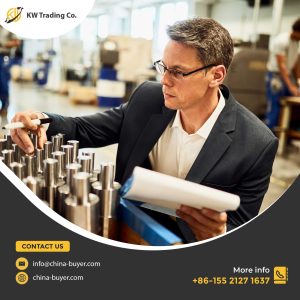
Step 6: Quality Control
Quality control is a critical aspect of the product sourcing process, especially when sourcing from international suppliers. Ensuring that the products meet your specifications and quality standards is essential to maintaining customer satisfaction and protecting your brand reputation. Here’s how to effectively implement quality control during the sourcing process:
1. Establish Quality Standards
Before production begins, clearly define your quality standards:
- Create a Quality Specification Document: Outline the specific quality criteria that the products must meet, including materials, dimensions, functionality, and appearance.
- Include Tolerances: Specify acceptable tolerances for each quality criterion to allow for minor variations in production.
2. Communicate Quality Expectations
Ensure that your supplier understands your quality expectations:
- Discuss Quality Standards: During negotiations, discuss your quality standards and ensure the supplier is capable of meeting them.
- Provide Examples: If possible, provide samples or images of products that meet your quality expectations to give the supplier a clear reference.
3. Conduct Pre-Production Inspections
Before production begins, consider conducting a pre-production inspection:
- Factory Audit: If feasible, visit the supplier’s factory to assess their production capabilities, quality control processes, and overall operations.
- Review Production Samples: Request pre-production samples to evaluate the quality and ensure they align with your specifications.
4. Implement In-Process Quality Control
During production, it’s essential to monitor quality to catch any issues early:
- Quality Control Checks: Ask the supplier to implement regular quality control checks throughout the production process to identify and address any defects.
- Set Milestones: Establish key milestones during production where quality checks will be conducted.
5. Hire Third-Party Inspection Services
Consider hiring a third-party inspection service to conduct quality checks:
- Independent Inspections: Third-party inspectors can provide an unbiased assessment of product quality and ensure compliance with your specifications.
- Inspection Types: Choose from various inspection types, such as pre-shipment inspections, during production inspections, or container loading inspections.
6. Review Inspection Reports
After inspections are conducted, review the inspection reports carefully:
- Assess Findings: Evaluate the findings of the inspection reports to identify any quality issues or discrepancies.
- Address Issues Promptly: If any issues are identified, communicate with the supplier immediately to resolve them before shipment.
7. Conduct Final Quality Checks
Before the products are shipped, conduct final quality checks:
- Final Inspection: Perform a final inspection of the products to ensure they meet your quality standards and specifications.
- Check Packaging: Verify that the packaging meets your requirements and is suitable for shipping to prevent damage during transit.
8. Document Quality Control Processes
Keep detailed records of all quality control processes:
- Inspection Reports: Maintain copies of all inspection reports, including pre-production, in-process, and final inspections.
- Communication Logs: Document all communications with the supplier regarding quality issues and resolutions.
9. Provide Feedback to Suppliers
After the quality control process is complete, provide feedback to your suppliers:
- Share Inspection Results: Communicate the results of inspections and any issues that were identified.
- Acknowledge Good Performance: If the supplier meets or exceeds your quality standards, acknowledge their efforts and express your appreciation.
10. Continuous Improvement
Quality control should be an ongoing process:
- Review and Adjust Standards: Regularly review your quality standards and adjust them as necessary based on customer feedback and market trends.
- Build Long-Term Relationships: Work collaboratively with your suppliers to improve quality over time and address any recurring issues.
Implementing effective quality control measures is essential to ensure that the products you source from China meet your specifications and quality standards. By establishing clear quality expectations, conducting inspections, and maintaining open communication with your suppliers, you can minimize the risk of quality issues and build a successful sourcing strategy. Prioritizing quality control will ultimately lead to greater customer satisfaction and a stronger brand reputation.
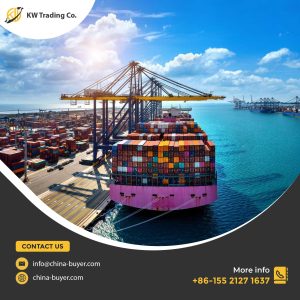
Step 7: Arrange Shipping
Arranging shipping is a crucial step in the product sourcing process, as it ensures that your products are delivered from the supplier to your location efficiently and safely. Here’s how to effectively arrange shipping for your sourced products from China:
1. Choose a Shipping Method
Select the most appropriate shipping method based on your budget, timeline, and the nature of your products:
- Air Freight: This method is faster but more expensive. It’s suitable for smaller, high-value shipments or when you need products urgently.
- Sea Freight: This is a more cost-effective option for larger shipments. It takes longer but is ideal for bulk orders.
- Express Shipping: Services like DHL, FedEx, or UPS offer fast delivery for smaller packages, often used for samples or urgent orders.
2. Work with a Freight Forwarder
Consider hiring a freight forwarder to manage the logistics of shipping:
- Expertise: Freight forwarders have the expertise to navigate international shipping regulations, customs clearance, and logistics.
- Cost-Effective Solutions: They can help you find the best shipping rates and routes, potentially saving you money.
- End-to-End Service: A freight forwarder can handle everything from pickup at the supplier’s location to delivery at your doorstep.
3. Confirm Shipping Details with Your Supplier
Communicate with your supplier to confirm shipping details:
- Shipping Instructions: Provide clear shipping instructions, including the preferred shipping method and any specific requirements.
- Packaging Requirements: Ensure that the supplier packages the products appropriately to prevent damage during transit.
4. Prepare Shipping Documentation
Ensure that all necessary shipping documents are prepared:
- Bill of Lading: This document serves as a receipt for the goods and outlines the terms of the shipment.
- Commercial Invoice: This document details the transaction, including product descriptions, quantities, and prices, and is required for customs clearance.
- Packing List: This document lists the contents of the shipment, including quantities and descriptions, and helps customs officials verify the shipment.
5. Understand Customs Regulations
Familiarize yourself with customs regulations in your country to ensure a smooth clearance process:
- Import Duties and Taxes: Be aware of any import duties and taxes that may apply to your shipment. Research the applicable rates and budget accordingly.
- Documentation Requirements: Ensure you have all necessary documents ready for customs clearance, including the bill of lading, commercial invoice, and packing list.
6. Track Your Shipment
Once your products are shipped, monitor the shipment’s progress:
- Tracking Information: Request tracking information from your freight forwarder or supplier to keep tabs on the shipment’s status.
- Estimated Arrival Date: Confirm the estimated arrival date to prepare for customs clearance and delivery.
7. Prepare for Customs Clearance
As your shipment approaches your country, ensure you are ready for customs clearance:
- Gather Documentation: Have all necessary documents ready, including the bill of lading, commercial invoice, and packing list.
- Hire a Customs Broker: If needed, consider hiring a customs broker to assist with the clearance process and ensure compliance with regulations.
8. Receive Your Shipment
Once your products have cleared customs, they will be delivered to you:
- Inspect the Shipment: Upon receiving the shipment, inspect the products to ensure they match your order and meet quality standards.
- Document Any Issues: If there are any discrepancies or quality issues, document them and contact the supplier immediately to resolve the matter.
9. Maintain Records
Keep detailed records of all shipping-related documents and communications:
- Shipping Documents: Store copies of the bill of lading, commercial invoice, packing list, and any correspondence with your freight forwarder or customs broker.
- Payment Records: Maintain records of all shipping costs and payments for future reference.
10. Evaluate the Shipping Process
After the shipment is complete, take the time to evaluate the shipping process:
- Assess Timeliness: Review whether the shipment arrived on time and if the shipping method met your expectations.
- Identify Areas for Improvement: Consider any challenges faced during the shipping process and identify areas for improvement for future orders.
Arranging shipping is a vital step in the product sourcing process that requires careful planning and execution. By choosing the right shipping method, working with a freight forwarder, preparing necessary documentation, and understanding customs regulations, you can ensure a smooth and efficient shipping process. Keeping communication open with your supplier and maintaining detailed records will help you build a successful sourcing strategy and facilitate future shipments.
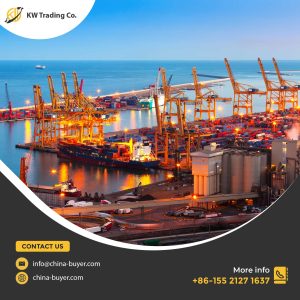
Step 8: Customs Clearance
Customs clearance is a critical step in the product sourcing process, as it ensures that your imported goods comply with your country’s regulations and can be legally brought into the country. Properly navigating customs can prevent delays, additional costs, and potential legal issues. Here’s how to effectively manage customs clearance for your sourced products from China:
1. Understand Customs Regulations
Familiarize yourself with the customs regulations in your country to ensure compliance:
- Import Laws: Research the import laws and regulations that apply to your specific products. Different categories of goods may have different requirements.
- Restricted and Prohibited Items: Be aware of any items that are restricted or prohibited from importation to avoid complications.
2. Prepare Required Documentation
Ensure that you have all necessary documentation ready for customs clearance:
- Bill of Lading: This document serves as a receipt for the goods and outlines the terms of the shipment.
- Commercial Invoice: This document details the transaction, including product descriptions, quantities, prices, and the total value of the shipment.
- Packing List: This document lists the contents of the shipment, including quantities and descriptions, and helps customs officials verify the shipment.
- Import Permits: If required, obtain any necessary import permits or licenses specific to your products.
3. Calculate Duties and Taxes
Determine the applicable customs duties and taxes for your shipment:
- Tariff Classification: Identify the correct tariff classification for your products, as this will determine the duty rate.
- Duty Rates: Research the duty rates applicable to your products and calculate the total duties and taxes you will need to pay upon import.
4. Hire a Customs Broker
Consider hiring a customs broker to assist with the clearance process:
- Expertise: Customs brokers are knowledgeable about customs regulations and can help ensure compliance with all requirements.
- Documentation Handling: They can assist in preparing and submitting the necessary documentation to customs authorities.
- Problem Resolution: If any issues arise during the clearance process, a customs broker can help resolve them efficiently.
5. Submit Documentation to Customs
Once your shipment arrives, submit the required documentation to customs:
- Timely Submission: Ensure that all documents are submitted promptly to avoid delays in clearance.
- Accurate Information: Double-check that all information provided is accurate and matches the details in your shipping documents.
6. Pay Duties and Taxes
Be prepared to pay any applicable customs duties and taxes:
- Payment Methods: Understand the payment methods accepted by customs authorities and ensure you have the necessary funds available.
- Keep Receipts: Maintain records of all payments made for duties and taxes for your financial records.
7. Monitor the Clearance Process
Stay informed about the status of your customs clearance:
- Follow Up: If you haven’t received confirmation of clearance within a reasonable timeframe, follow up with your customs broker or the customs authority.
- Address Issues Promptly: If customs raises any questions or issues regarding your shipment, address them promptly to avoid delays.
8. Receive Your Goods
Once your shipment has cleared customs, it will be released for delivery:
- Arrange Delivery: Coordinate with your freight forwarder or logistics provider to arrange for the delivery of your goods to your location.
- Inspect Upon Arrival: Upon receiving the shipment, inspect the products to ensure they match your order and meet quality standards.
9. Keep Records
Maintain detailed records of all customs-related documents and communications:
- Documentation: Store copies of the bill of lading, commercial invoice, packing list, and any correspondence with customs authorities or your customs broker.
- Payment Records: Keep records of all duties and taxes paid for future reference and accounting purposes.
10. Evaluate the Customs Process
After the customs clearance is complete, take the time to evaluate the process:
- Assess Timeliness: Review whether the customs clearance was completed on time and if any issues arose during the process.
- Identify Areas for Improvement: Consider any challenges faced during customs clearance and identify areas for improvement for future shipments.
Navigating customs clearance is a vital step in the product sourcing process that requires careful attention to detail and compliance with regulations. By understanding customs requirements, preparing necessary documentation, and potentially working with a customs broker, you can ensure a smooth clearance process for your imported goods. Keeping thorough records and evaluating the process will help you improve future customs experiences and streamline your sourcing strategy.

Step 9: Receive and Inspect Your Order
Receiving and inspecting your order is a crucial final step in the product sourcing process. This step ensures that the products you ordered meet your specifications and quality standards before they are distributed to customers or used in your business. Here’s how to effectively receive and inspect your order:
1. Prepare for Arrival
Before your shipment arrives, take the necessary steps to prepare:
- Designate a Receiving Area: Set up a designated area for receiving the shipment to keep it organized and separate from other inventory.
- Gather Necessary Tools: Have tools ready for inspection, such as measuring devices, scales, and any specific equipment needed to check product quality.
2. Confirm Shipment Details
Once you receive notification that your shipment has arrived, confirm the details:
- Check Tracking Information: Use the tracking information provided by your freight forwarder or supplier to monitor the shipment’s progress and estimated arrival time.
- Verify Delivery Schedule: Confirm the delivery schedule with your logistics provider to ensure you are prepared to receive the shipment.
3. Inspect the Shipment Upon Arrival
When the shipment arrives, conduct a thorough inspection:
- Check Packaging: Examine the packaging for any signs of damage or tampering. Ensure that the packaging is intact and suitable for the products inside.
- Count the Items: Verify that the number of items received matches the quantities listed on the packing list and purchase order.
- Inspect for Damage: Carefully inspect each product for any visible damage, defects, or discrepancies from your order specifications.
4. Compare with Order Specifications
Ensure that the products received match your order specifications:
- Review Product Specifications: Compare the received products against the specifications outlined in your purchase order, including size, color, materials, and any other relevant details.
- Conduct Quality Checks: Perform quality checks based on the quality standards you established earlier. This may include testing functionality, measuring dimensions, and assessing overall appearance.
5. Document Any Issues
If you identify any discrepancies or quality issues during your inspection, document them immediately:
- Take Photos: Capture clear photos of any damaged or defective items as evidence for your records and for communication with the supplier.
- Create a Report: Prepare a detailed report outlining the issues found, including product descriptions, quantities, and specific problems.
6. Communicate with Your Supplier
If you encounter any issues, promptly communicate with your supplier:
- Notify the Supplier: Contact the supplier to report any discrepancies or quality issues. Provide them with the documentation and photos you collected.
- Discuss Resolutions: Work with the supplier to determine the best course of action, whether it’s a replacement, refund, or other resolution.
7. Accept or Reject the Shipment
Based on your inspection and communication with the supplier, decide whether to accept or reject the shipment:
- Accept the Shipment: If the products meet your specifications and quality standards, accept the shipment and proceed with inventory management.
- Reject the Shipment: If the issues are significant and cannot be resolved, you may need to reject the shipment and arrange for its return.
8. Update Inventory Records
Once you have accepted the shipment, update your inventory records:
- Record Received Quantities: Adjust your inventory management system to reflect the quantities received and any discrepancies noted.
- Label Products: Properly label the products in your inventory system to ensure accurate tracking and management.
9. Provide Feedback
After the inspection process is complete, consider providing feedback to your supplier:
- Share Your Experience: Communicate your satisfaction or concerns regarding the quality of the products and the overall sourcing experience.
- Build Relationships: Use this opportunity to strengthen your relationship with the supplier by acknowledging good performance or discussing areas for improvement.
10. Evaluate the Sourcing Process
After receiving and inspecting your order, take the time to evaluate the entire sourcing process:
- Assess Supplier Performance: Review the supplier’s performance in terms of product quality, communication, and adherence to timelines.
- Identify Areas for Improvement: Consider any challenges faced during the sourcing process and identify areas for improvement for future orders.
Receiving and inspecting your order is a vital step in ensuring that the products you sourced meet your quality standards and specifications. By conducting thorough inspections, documenting any issues, and maintaining open communication with your supplier, you can address any discrepancies effectively. This step not only protects your business’s reputation but also helps build strong relationships with your suppliers for future sourcing success.

Step 10: Build Relationships
Building strong relationships with your suppliers is essential for long-term success in product sourcing. A solid partnership can lead to better pricing, improved quality, and more favorable terms in future transactions. Here’s how to effectively build and maintain relationships with your suppliers in China:
1. Communicate Regularly
Open and consistent communication is key to fostering a good relationship:
- Stay in Touch: Regularly check in with your suppliers, even when you don’t have active orders. This shows that you value the relationship beyond just transactions.
- Provide Updates: Share updates about your business, such as new product launches or changes in demand, to keep suppliers informed.
2. Be Transparent
Transparency helps build trust between you and your suppliers:
- Share Your Goals: Let your suppliers know about your business goals and how they can help you achieve them. This can lead to more tailored support and solutions.
- Discuss Challenges: If you encounter challenges, be open about them. This allows suppliers to understand your situation and work with you to find solutions.
3. Show Appreciation
Recognizing and appreciating your suppliers’ efforts can strengthen your relationship:
- Acknowledge Good Performance: If a supplier meets or exceeds your expectations, take the time to acknowledge their hard work. A simple thank-you note or email can go a long way.
- Provide Feedback: Constructive feedback helps suppliers improve their services. When giving feedback, be specific and balanced, highlighting both strengths and areas for improvement.
4. Negotiate Fairly
While negotiating is a part of the sourcing process, it’s important to approach it fairly:
- Be Reasonable: When discussing pricing and terms, consider the supplier’s perspective. Aim for a win-win situation that benefits both parties.
- Avoid Overly Aggressive Tactics: Building a long-term relationship is more valuable than squeezing every last cent out of a deal. Fair negotiations foster goodwill.
5. Foster Collaboration
Encourage a collaborative approach to working with your suppliers:
- Involve Suppliers in Planning: When planning new products or changes, involve your suppliers in the discussion. Their insights can be valuable, and it shows that you value their expertise.
- Work Together on Solutions: If issues arise, collaborate with your suppliers to find solutions rather than placing blame. This builds a sense of partnership.
6. Visit Suppliers
If possible, consider visiting your suppliers in China:
- Build Personal Connections: Meeting face-to-face can strengthen your relationship and build trust. It allows you to understand their operations better and fosters a personal connection.
- Tour the Facility: A factory visit can provide insights into their production processes and quality control measures, helping you assess their capabilities firsthand.
7. Establish Long-Term Agreements
Consider establishing long-term agreements with reliable suppliers:
- Contracts: Formal contracts can outline the terms of your relationship, including pricing, quality standards, and delivery schedules. This provides clarity and security for both parties.
- Preferred Supplier Status: If you have a strong relationship with a supplier, consider giving them preferred supplier status for future orders. This can lead to better terms and priority service.
8. Share Market Insights
Sharing market insights can benefit both you and your suppliers:
- Discuss Trends: Share information about market trends, customer preferences, and competitive insights. This can help suppliers align their offerings with your needs.
- Collaborate on Innovation: Work together to develop new products or improve existing ones based on market insights. This fosters a sense of partnership and shared success.
9. Be Patient and Understanding
Cultural differences and communication barriers can sometimes lead to misunderstandings:
- Practice Patience: Be patient when dealing with language barriers or cultural differences. Understanding that these factors can affect communication will help you navigate challenges more effectively.
- Show Empathy: If issues arise, approach them with empathy and understanding. This can help maintain a positive relationship even in challenging situations.
10. Evaluate and Adjust
Regularly evaluate your supplier relationships and make adjustments as needed:
- Assess Performance: Periodically review supplier performance based on quality, delivery, and communication. Provide feedback to help them improve.
- Be Open to Change: If a supplier is not meeting your expectations, be open to exploring new partnerships. However, do so respectfully and professionally.
Building strong relationships with your suppliers is essential for successful product sourcing. By communicating regularly, being transparent, showing appreciation, and fostering collaboration, you can create a partnership that benefits both parties. A solid supplier relationship can lead to better pricing, improved quality, and a smoother sourcing process, ultimately contributing to the success of your business. Prioritizing these relationships will help you navigate challenges and seize opportunities in the ever-evolving marketplace.
Conclusion
Sourcing products from China can be a rewarding experience if done correctly. By following this step-by-step guide, you can navigate the complexities of international sourcing and build a successful supply chain for your business. Remember to stay organized, communicate effectively, and prioritize quality to ensure a smooth sourcing process. Happy sourcing!
Contact Us Today!
Ready to elevate your sourcing process? Reach out for a free consultation and discover how we can help your business thrive!
Address : No 2707A , Seg Building , Huaqiang North Road , Futian District , Shenzhen , China
Whatsapp : +86-15521271637
Email : info@china-buyer.com
Frequently Asked Questions (FAQs)
What is product sourcing, and how can it benefit my business ?
Product sourcing is the process of finding and acquiring products from manufacturers or suppliers, often in different countries. By utilizing our product sourcing services in China, you can access high-quality products at competitive prices, streamline your supply chain, and save time and resources, allowing you to focus on growing your business.
How do you ensure the quality of the products sourced ?
We prioritize quality assurance through a comprehensive process that includes pre-production samples, in-line inspections, and final product evaluations. Our team conducts rigorous quality checks and works closely with suppliers to ensure that every product meets your specifications and standards.
What types of products can you help me source ?
We can assist you in sourcing a wide range of products, including electronics, textiles, machinery, consumer goods, and more. Our extensive network of suppliers allows us to cater to various industries and product categories.
How does your sourcing process work ?
Our sourcing process is simple and effective:
- Consultation: We start with a free consultation to understand your needs and requirements.
- Supplier Matching: We identify and connect you with the best suppliers that fit your criteria.
- Quality Control: We conduct inspections and quality checks to ensure product excellence.
- Logistics Management: We handle shipping and logistics for timely delivery.
- Ongoing Support: We provide continuous support even after the sourcing process.
How do you handle shipping and logistics ?
Our logistics experts manage all aspects of shipping, including coordinating with shipping companies, customs clearance, and documentation. We offer various shipping options, including air freight, sea freight, and express delivery, to ensure timely and cost-effective delivery to your location.
What are your fees for product sourcing services ?
Our fees vary depending on the complexity of the project, the type of products being sourced, and the level of support required. We offer competitive pricing and will provide a detailed quote during the initial consultation.
Can you help with sourcing products for small businesses or startups ?
Absolutely! We cater to businesses of all sizes, including startups. Our personalized approach ensures that we meet your specific requirements and help you achieve your goals, regardless of your business size.
How long does the sourcing process take ?
The duration of the sourcing process can vary based on factors such as product complexity, supplier availability, and shipping logistics. Typically, we aim to provide you with a timeline during the initial consultation and keep you updated throughout the process.
What if I have specific requirements for my products ?
We welcome specific requirements! During the consultation, we will discuss your needs in detail, including design specifications, materials, and any other preferences. Our goal is to ensure that the products sourced align perfectly with your vision.
How can I get started with your product sourcing services ?
Getting started is easy! Simply contact us for a free consultation. We will discuss your needs, answer any questions you may have, and outline how our services can benefit your business. Let us help you unlock new opportunities in the global marketplace!
Do you provide assistance with product design and development ?
Yes, we can assist with product design and development! If you have a concept in mind, our team can help you refine it and connect you with manufacturers who can bring your vision to life. We can also provide insights on materials, production techniques, and market trends to ensure your product is competitive.
What happens if there are issues with the products I receive ?
We take quality seriously, and our quality assurance process is designed to minimize issues. However, if you encounter any problems with the products, our team will work with you and the supplier to address the situation promptly. We are committed to ensuring your satisfaction and will assist in resolving any discrepancies.
Can you help with sourcing products from other countries besides China ?
While our primary focus is on product sourcing in China, we have established relationships with suppliers in other countries as well. If you have specific sourcing needs outside of China, please let us know, and we will do our best to assist you.
How do you handle communication with suppliers ?
Our team acts as a liaison between you and the suppliers, managing all communication to ensure clarity and efficiency. We handle negotiations, updates, and any issues that may arise, allowing you to focus on your core business activities without the stress of international communication.
Is there a minimum order quantity (MOQ) for sourcing products ?
Minimum order quantities can vary depending on the supplier and the type of product. During our consultation, we will discuss your needs and help you find suppliers that can accommodate your order size, whether it’s a small batch for a startup or a larger order for an established business.
How do you ensure compliance with international trade regulations ?
We stay updated on international trade regulations and compliance requirements to ensure that all products sourced meet the necessary standards. Our team assists with customs documentation and ensures that all shipments comply with import/export regulations, minimizing the risk of delays or penalties.
Can I visit the suppliers or factories in China ?
Yes, we can arrange factory visits for you if you wish to meet suppliers in person. This can be a valuable opportunity to inspect the facilities, meet the team, and build relationships. We can help coordinate the logistics of your visit to ensure a smooth experience.
What payment methods do you accept for your services ?
We offer various payment methods for our services, including bank transfers, credit cards, and other secure payment options. We will discuss payment terms and options during the initial consultation to find the best solution for you.
How do you keep clients informed throughout the sourcing process ?
We believe in transparent communication. Throughout the sourcing process, we provide regular updates on progress, quality checks, and shipping status. Our team is always available to answer your questions and address any concerns you may have.
What sets your product sourcing services apart from others ?
Our commitment to quality, personalized service, and extensive network of trusted suppliers sets us apart. We take the time to understand your unique needs and provide tailored solutions that align with your business goals. Our end-to-end support ensures a hassle-free experience, allowing you to focus on growing your business while we handle the complexities of sourcing.
What industries do you specialize in for product sourcing ?
We specialize in a wide range of industries, including but not limited to electronics, textiles, consumer goods, machinery, automotive parts, home goods, and health and beauty products. Our extensive network allows us to cater to various sectors, ensuring that we can meet your specific sourcing needs.
Can you help with branding and packaging for my products ?
Yes, we can assist with branding and packaging! If you have specific branding requirements, our team can work with you to develop packaging solutions that align with your brand identity. We can also connect you with suppliers who specialize in custom packaging to enhance your product’s market appeal.
How do you handle language barriers when communicating with suppliers ?
Our team is experienced in navigating language barriers and cultural differences. We have bilingual staff who can communicate effectively with suppliers in Chinese, ensuring that all details are accurately conveyed. This helps to minimize misunderstandings and ensures a smooth sourcing process.
What if I need to make changes to my order after it has been placed ?
We understand that business needs can change. If you need to make adjustments to your order, please communicate with us as soon as possible. We will work with the supplier to accommodate your changes, but please note that modifications may depend on the stage of production and the supplier’s policies.
How do you ensure timely delivery of products ?
We prioritize timely delivery by closely monitoring the entire sourcing process, from production timelines to shipping logistics. Our logistics team coordinates with shipping companies to select the best options for timely delivery, and we keep you informed of any potential delays so you can plan accordingly.
Can you help with sourcing sustainable or eco-friendly products ?
Absolutely! We recognize the growing demand for sustainable and eco-friendly products. Our team can help you identify suppliers who specialize in environmentally friendly materials and practices, ensuring that your products align with your sustainability goals.
What kind of support do you offer after the sourcing process is complete ?
Our commitment to your success doesn’t end once the products are delivered. We offer ongoing support, including assistance with future orders, product updates, and any issues that may arise. We aim to build a long-term partnership with you, providing guidance and support as your business grows.
How do you handle disputes or issues with suppliers ?
In the event of a dispute or issue with a supplier, our team acts as your advocate. We will communicate with the supplier on your behalf to resolve the situation promptly. Our goal is to ensure that you are satisfied with the outcome and that any issues are addressed effectively.
Can you assist with market research for the products I want to source ?
Yes, we can provide market research assistance to help you understand trends, pricing, and demand for the products you wish to source. Our insights can help you make informed decisions and identify opportunities for your business.
How do I know if your services are right for my business ?
If you are looking to streamline your sourcing process, access high-quality products, and save time and resources, our services are designed for you. We invite you to schedule a free consultation where we can discuss your specific needs and determine how we can best support your business goals.
If you have any other questions or need further information, feel free to reach out to us. We’re here to help!