Unlock Your Supply Chain Potential with Our Sourcing Services in China!
In today’s competitive market, having a reliable supply chain is crucial for success. Are you struggling to find high-quality raw materials at competitive prices? Look no further! Our expert team specializes in sourcing premium raw materials directly from trusted suppliers across China, ensuring that your production process runs smoothly and efficiently.
Why Choose Our Raw Materials Sourcing Services ?
In the competitive landscape of today’s business world, having a reliable and efficient sourcing partner is crucial for success. At KW-Trading, we specialize in raw materials sourcing, and here’s why choosing our services can transform your supply chain and elevate your business to new heights:
✅ Expertise You Can Trust
Our team is composed of seasoned professionals with extensive experience in raw materials sourcing across various industries. We understand the complexities of different markets, materials, and manufacturing processes. This deep industry knowledge allows us to provide you with valuable insights and tailored recommendations that align with your specific needs and business goals. With us, you’re not just getting a service; you’re gaining a strategic partner committed to your success.
✅ Comprehensive Supplier Vetting
Quality and reliability are non-negotiable when it comes to sourcing raw materials. We take this seriously. Our rigorous supplier vetting process involves thorough background checks, quality assessments, and performance evaluations. We only collaborate with reputable suppliers who meet our stringent criteria, ensuring that you receive high-quality materials that adhere to industry standards. This commitment to quality minimizes risks and enhances the reliability of your supply chain.
✅ Tailored Sourcing Solutions
We recognize that every business is unique, with its own set of challenges and requirements. Our approach is not one-size-fits-all; instead, we take the time to understand your specific needs, production processes, and market demands. By offering customized sourcing solutions, we ensure that you receive the right materials at the right time, optimizing your operations and enhancing your overall efficiency. Whether you need specific types of metals, plastics, or textiles, we’ve got you covered.
✅ Cost Savings and Competitive Pricing
In a competitive market, cost efficiency is essential. Our extensive network of suppliers and strong relationships in the industry enable us to negotiate competitive pricing on your behalf. We leverage our local expertise to identify cost-effective solutions without compromising on quality. By reducing procurement costs, we help you improve your profit margins and allocate resources more effectively for growth and innovation. With us, you can achieve significant savings that positively impact your bottom line.
✅ Streamlined Logistics and Supply Chain Management
Navigating the complexities of international logistics can be daunting. Our sourcing services include comprehensive logistics management, ensuring that your materials are delivered on time and in optimal condition. We handle all aspects of the supply chain, from supplier coordination to customs clearance, allowing you to focus on your core business operations without the hassle of logistics. Our efficient logistics solutions minimize delays and disruptions, keeping your production on track.
✅ Quality Control and Assurance
Quality is paramount in manufacturing. Our dedicated quality control team conducts thorough inspections and audits at every stage of the sourcing process. We implement strict quality assurance protocols to ensure that the materials you receive meet or exceed your expectations. This commitment to quality helps you maintain high standards in your production and build trust with your customers. With us, you can be confident that you’re sourcing the best materials available.
✅ Ongoing Support and Communication
We believe in building long-term partnerships with our clients. Our team is committed to providing ongoing support and open communication throughout the sourcing process. Whether you have questions, need updates, or require assistance with any aspect of sourcing, we are here to help. Our proactive approach ensures that you are always informed and confident in your sourcing decisions. You’re never alone in this journey; we’re with you every step of the way.
✅ Risk Mitigation and Compliance
Sourcing from international suppliers can pose risks related to quality, compliance, and market fluctuations. Our sourcing services include risk assessment and mitigation strategies to protect your business. We stay updated on regulatory changes and industry standards, ensuring that your materials comply with all necessary requirements. This proactive approach minimizes potential disruptions and safeguards your supply chain, allowing you to operate with peace of mind.
✅ Access to Emerging Trends and Innovations
The global market is constantly evolving, and staying ahead of trends is crucial for success. Our team is dedicated to monitoring industry developments and emerging technologies in raw materials sourcing. By partnering with us, you gain access to the latest innovations and trends that can enhance your product offerings and keep you competitive in the market. We help you stay ahead of the curve, ensuring that your business remains relevant and innovative.
✅ Commitment to Sustainability
As sustainability becomes increasingly important in business practices, we are committed to sourcing materials responsibly. We work with suppliers who prioritize environmentally friendly practices and sustainable sourcing methods. By choosing our services, you can align your sourcing strategy with your sustainability goals, enhancing your brand reputation and appeal to environmentally conscious consumers. Together, we can make a positive impact on the planet while driving your business forward.
Our Commitment to Your Success
🌍 Global Reach, Local Expertise:
We pride ourselves on our ability to bridge the gap between global sourcing and local needs. Our team is dedicated to providing you with personalized service and support throughout the entire sourcing process. We take the time to understand your business and work collaboratively to find the best solutions for your raw material requirements.
📈 Transform Your Supply Chain Today!
Don’t let sourcing challenges hold your business back. Partner with us to unlock new opportunities and enhance your operational efficiency. Whether you’re a small startup or a large corporation, we are here to support your growth and success.
Contact Us for a Consultation!
Ready to take the next step? Reach out to us today for a consultation. Let’s discuss how our raw materials sourcing services can help you streamline your supply chain, reduce costs, and drive your business forward. Together, we can achieve your sourcing goals and set your business up for long-term success!
Address : No 2707A , Seg Building , Huaqiang North Road , Futian District , Shenzhen , China
Whatsapp : +86-15521271637
Email : info@china-buyer.com
Why Choose China for Raw Materials Sourcing ?
Sourcing raw materials from China has become a strategic choice for businesses around the globe. The country’s unique combination of resources, manufacturing capabilities, and market dynamics makes it an attractive option for companies looking to optimize their supply chains. Here are several compelling reasons to consider China for your raw materials sourcing needs:
1. Diverse Range of Raw Materials
China is one of the largest producers of raw materials in the world, offering a vast array of options across various industries. Whether you need metals, plastics, textiles, chemicals, or other materials, China has the resources to meet your specific requirements. This diversity allows businesses to source multiple materials from a single country, simplifying the procurement process.
2. Established Manufacturing Infrastructure
China boasts a well-developed manufacturing infrastructure, including advanced production facilities, logistics networks, and supply chain systems. This infrastructure enables efficient production and timely delivery of raw materials, ensuring that businesses can maintain their production schedules without delays.
3. Cost Competitiveness
One of the most significant advantages of sourcing from China is cost competitiveness. The country benefits from economies of scale, lower labor costs, and efficient manufacturing processes, allowing suppliers to offer materials at prices that are often lower than those found in other regions. This cost advantage can significantly impact your bottom line, making it possible to invest more in other areas of your business.
4. Innovation and Technology
China is at the forefront of technological advancements in manufacturing and materials science. Many Chinese suppliers are investing in research and development to improve the quality and performance of their products. By sourcing from China, businesses can access cutting-edge materials and innovations that enhance their own product offerings and competitiveness in the market.
5. Strong Supplier Relationships
Over the years, many sourcing services and businesses have developed strong relationships with reliable suppliers in China. These established connections facilitate smoother negotiations, better pricing, and improved communication. When you partner with experienced sourcing services, you benefit from these relationships, which can lead to more favorable terms and a more reliable supply chain.
6. Flexibility and Customization
Chinese manufacturers are known for their flexibility and willingness to accommodate specific customer requirements. Whether it’s adjusting production volumes, customizing materials, or meeting unique specifications, suppliers in China are often more adaptable than those in other regions. This flexibility allows businesses to tailor their sourcing strategies to align with their production needs and market demands.
7. Regulatory Compliance and Quality Standards
While concerns about quality and compliance have historically been associated with sourcing from China, many suppliers have made significant strides in adhering to international quality standards. Many manufacturers are ISO certified and have implemented rigorous quality control processes to ensure that their products meet global standards. Partnering with reputable sourcing services can further mitigate risks, as they conduct thorough inspections and audits to ensure compliance.
8. Access to Emerging Markets
Sourcing from China not only provides access to high-quality raw materials but also opens doors to emerging markets. As China continues to grow economically, businesses that establish strong sourcing relationships can benefit from the country’s expanding consumer base and increasing demand for various products. This strategic positioning can lead to new opportunities for growth and expansion.
9. Streamlined Logistics and Shipping
China has a well-established logistics and shipping infrastructure, making it easier to transport raw materials both domestically and internationally. With numerous ports and efficient transportation networks, businesses can benefit from timely deliveries and reduced shipping costs. This efficiency is crucial for maintaining production schedules and meeting customer demands.
10. Cultural and Economic Ties
As global trade continues to evolve, many countries are strengthening their economic ties with China. By sourcing materials from China, businesses can tap into these growing relationships, potentially leading to better trade agreements, lower tariffs, and enhanced market access.
Choosing China for raw materials sourcing offers numerous advantages, including access to a diverse range of materials, cost competitiveness, and a robust manufacturing infrastructure. By leveraging the strengths of Chinese suppliers, businesses can optimize their supply chains, reduce costs, and enhance their product offerings. With careful planning and strategic partnerships, sourcing from China can be a game-changer for your business in today’s competitive market.
Step-by-Step Guide to Raw Materials Sourcing in China
Sourcing raw materials from China can be a strategic move for businesses looking to optimize their supply chains, reduce costs, and access high-quality materials. However, navigating the complexities of international sourcing requires careful planning and execution. Here’s a step-by-step guide to help you successfully source raw materials in China.
Step 1: Define Your Requirements
1.1 Identify Material Needs
- Determine the specific raw materials you need for your production processes.
- Consider factors such as material specifications, quality standards, and quantity requirements.
1.2 Set Budget and Timeline
- Establish a budget for your sourcing project, including costs for materials, shipping, and any additional fees.
- Define a timeline for when you need the materials, factoring in lead times for production and shipping.
Step 2: Research the Market
2.1 Understand the Chinese Market
- Familiarize yourself with the Chinese raw materials market, including key suppliers, industry trends, and pricing structures.
- Research the specific regions in China known for producing the materials you need.
2.2 Identify Potential Suppliers
- Use online platforms, trade directories, and industry associations to compile a list of potential suppliers.
- Consider attending trade shows or exhibitions in China to meet suppliers in person and assess their offerings.
Step 3: Evaluate Suppliers
3.1 Conduct Supplier Assessments
- Evaluate potential suppliers based on their reputation, experience, and production capabilities.
- Request samples of materials to assess quality and suitability for your needs.
3.2 Verify Credentials
- Check for certifications, such as ISO or industry-specific standards, to ensure suppliers meet quality requirements.
- Conduct background checks and seek references from other clients to verify reliability.
Step 4: Negotiate Terms
4.1 Discuss Pricing and Payment Terms
- Negotiate pricing based on your budget and the supplier’s pricing structure.
- Discuss payment terms, including deposits, payment methods, and any discounts for bulk orders.
4.2 Establish Delivery Terms
- Agree on delivery timelines, shipping methods, and responsibilities for logistics.
- Clarify who will handle customs clearance and any associated fees.
Step 5: Place Orders
5.1 Finalize Contracts
- Draft and sign contracts that outline all agreed-upon terms, including pricing, delivery schedules, and quality standards.
- Ensure that contracts include clauses for quality assurance and dispute resolution.
5.2 Place Orders
- Submit your purchase orders to the selected suppliers, specifying quantities, delivery dates, and any special requirements.
Step 6: Monitor Production
6.1 Maintain Communication
- Stay in regular contact with suppliers to monitor the production process and address any issues that may arise.
- Request updates on production timelines and quality checks.
6.2 Conduct Quality Inspections
- If possible, arrange for third-party inspections of the materials before shipment to ensure they meet your quality standards.
- Consider hiring a local inspection agency to conduct on-site quality checks.
Step 7: Manage Logistics
7.1 Coordinate Shipping
- Work with your suppliers to coordinate shipping logistics, including packaging, labeling, and documentation.
- Choose a reliable freight forwarder to handle transportation and customs clearance.
7.2 Track Shipments
- Use tracking systems to monitor the progress of your shipments and ensure timely delivery.
- Prepare for any potential delays by having contingency plans in place.
Step 8: Receive and Evaluate Materials
8.1 Inspect Received Materials
- Upon arrival, inspect the materials to ensure they match the specifications outlined in your contract.
- Check for any damages or discrepancies and document any issues.
8.2 Provide Feedback
- Communicate with your suppliers about the quality of the materials received.
- Provide feedback to help them improve their processes and maintain a strong relationship.
Step 9: Build Long-Term Relationships
9.1 Foster Supplier Relationships
- Maintain open lines of communication with your suppliers to build trust and foster long-term partnerships.
- Consider regular visits to suppliers to strengthen relationships and gain insights into their operations.
9.2 Evaluate Performance
- Periodically assess supplier performance based on quality, delivery times, and responsiveness.
- Use this information to make informed decisions about future sourcing strategies.
Conclusion
Sourcing raw materials from China can be a rewarding endeavor when approached strategically. By following this step-by-step guide, you can navigate the complexities of the sourcing process, build strong supplier relationships, and ensure that you receive high-quality materials that meet your business needs. With careful planning and execution, you can optimize your supply chain and drive your business forward.
Types of Raw Materials that can be Sourced from China
China is a major global supplier of a wide range of raw materials due to its vast natural resources and manufacturing capabilities. The types of raw materials that can be sourced from China include, but are not limited to:
Metals and Minerals
Metals and minerals are essential components of various industries, including construction, manufacturing, electronics, and energy. They are categorized based on their properties, uses, and occurrence in nature. Here’s an overview of the main types of metals and minerals:
1. Ferrous Metals
- Ferrous metals contain iron and are known for their strength and durability.
- Steel: An alloy of iron and carbon, widely used in construction and manufacturing.
- Cast Iron: A strong, brittle iron alloy used for pipes, machinery, and cookware.
- Wrought Iron: A malleable iron alloy used in decorative applications and fencing.
2. Non-Ferrous Metals
- Non-ferrous metals do not contain significant amounts of iron and are typically more resistant to corrosion.
- Aluminum: Lightweight and corrosion-resistant, used in packaging, transportation, and construction.
- Copper: Excellent electrical conductor, used in wiring, plumbing, and electronics.
- Lead: Heavy and malleable, used in batteries, radiation shielding, and solder.
- Zinc: Used for galvanizing steel to prevent rusting and in alloys like brass.
3. Precious Metals
- Precious metals are rare and have high economic value, often used in jewelry, electronics, and as investment assets.
- Gold: Highly malleable and resistant to corrosion, used in jewelry, electronics, and as a monetary standard.
- Silver: Known for its conductivity and antibacterial properties, used in jewelry, coins, and electronics.
- Platinum: Dense and resistant to wear, used in jewelry, catalytic converters, and industrial applications.
4. Base Metals
- Base metals are common metals that are not considered precious and are often used in industrial applications.
- Nickel: Used in stainless steel production and batteries.
- Tin: Used in alloys, coatings, and solder.
- Aluminum: Also considered a base metal, used in various applications due to its lightweight and corrosion resistance.
5. Minerals
- Overview: Minerals are naturally occurring inorganic substances with a defined chemical composition and crystal structure.
- Types of Minerals:
- Silicate Minerals: Composed of silicon and oxygen, making up a large portion of the Earth’s crust. Examples include quartz, feldspar, and mica.
- Carbonate Minerals: Contain carbonate ions (CO3) and are often used in construction and manufacturing. Examples include calcite and dolomite.
- Oxide Minerals: Composed of metal cations and oxygen. Examples include hematite (iron oxide) and bauxite (aluminum ore).
- Sulfide Minerals: Contain sulfur and are often associated with metal ores. Examples include pyrite (fool’s gold) and galena (lead ore).
- Halide Minerals: Composed of halogen elements and metals. Examples include halite (rock salt) and fluorite.
6. Industrial Minerals
- Industrial minerals are non-metallic minerals used in various industrial applications.
- Limestone: Used in cement production, construction, and as a filler in products.
- Clay: Used in ceramics, pottery, and as a drilling mud.
- Gypsum: Used in plaster, drywall, and as a soil conditioner.
- Barite: Used in drilling fluids for oil and gas exploration.
7. Rare Earth Elements (REEs)
- Rare earth elements are a group of 17 elements that are critical for modern technology and renewable energy applications.
- Neodymium: Used in strong permanent magnets for motors and generators.
- Lanthanum: Used in camera and telescope lenses, as well as in batteries.
- Dysprosium: Used in high-performance magnets and nuclear reactors.
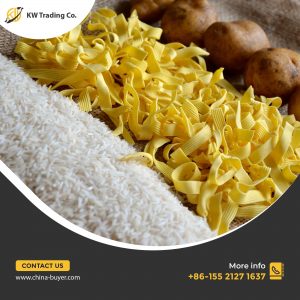
Agricultural Products
Agricultural products encompass a wide range of goods derived from farming and cultivation. These products can be categorized into several types based on their nature, usage, and the processes involved in their production. Here’s an overview of the main types of agricultural products:
1. Crops
- Food Crops: These are grown primarily for human consumption. Examples include:
- Cereals: Wheat, rice, corn, barley, oats.
- Fruits: Apples, bananas, oranges, berries, grapes.
- Vegetables: Carrots, potatoes, tomatoes, lettuce, onions.
- Cash Crops: Grown for commercial value rather than for subsistence. Examples include:
- Cotton: Used in textiles.
- Tobacco: Cultivated for smoking and chewing products.
- Sugarcane: Processed into sugar and other products.
- Coffee and Tea: Popular beverages cultivated for global markets.
2. Livestock
- Meat Products: Animals raised for their meat. Examples include:
- Cattle: Beef production.
- Pigs: Pork production.
- Poultry: Chickens, turkeys, ducks for meat and eggs.
- Dairy Products: Animals raised for milk production. Examples include:
- Cows: Milk, cheese, yogurt.
- Goats: Goat milk and cheese.
- Sheep: Sheep milk and cheese.
- Other Livestock Products:
- Eggs: Produced by poultry.
- Honey: Produced by bees.
3. Fisheries and Aquaculture
- Wild-Caught Fish: Fish harvested from natural water bodies. Examples include:
- Salmon, tuna, cod, and haddock.
- Farmed Fish: Fish raised in controlled environments. Examples include:
- Tilapia, catfish, and trout.
- Shellfish: Includes crustaceans and mollusks. Examples include:
- Shrimp, crabs, oysters, and clams.
4. Horticultural Products
- Fruits and Vegetables: Grown in gardens or farms, often for local markets.
- Ornamental Plants: Grown for decorative purposes. Examples include:
- Flowers, shrubs, and trees.
- Herbs and Spices: Used for flavoring and medicinal purposes. Examples include:
- Basil, oregano, thyme, and cinnamon.
5. Grains and Oilseeds
- Grains: Staple foods that are a primary source of energy. Examples include:
- Rice, wheat, corn, and barley.
- Oilseeds: Grown for oil extraction. Examples include:
- Soybeans, sunflower seeds, canola, and peanuts.
6. Fiber Products
- Natural Fibers: Used in textiles and other products. Examples include:
- Cotton, wool, silk, and flax (linen).
- Synthetic Fibers: While not agricultural in the traditional sense, they are often derived from agricultural products (e.g., polyester from petrochemicals).
7. Processed Agricultural Products
- Food Processing: Raw agricultural products transformed into consumable goods. Examples include:
- Canned vegetables, frozen fruits, and packaged snacks.
- Beverages: Includes processed drinks. Examples include:
- Juices, wines, and soft drinks.
8. Organic Products
- Organic Crops: Grown without synthetic fertilizers or pesticides. Examples include:
- Organic fruits, vegetables, and grains.
- Organic Livestock: Raised according to organic farming standards. Examples include:
- Organic beef, chicken, and dairy products.
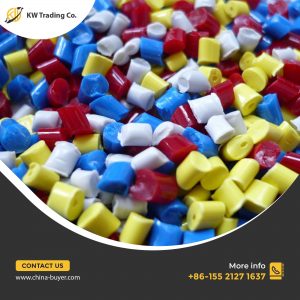
Plastics and Polymers
Plastics and polymers are versatile materials widely used in various industries due to their lightweight, durability, and adaptability. They can be categorized based on their chemical structure, properties, and applications. Here’s an overview of the main types of plastics and polymers:
1. Thermoplastics
Thermoplastics are polymers that become soft and moldable upon heating and solidify upon cooling. They can be reshaped multiple times without significant degradation.
- Polyethylene (PE): Commonly used in packaging, plastic bags, and containers. It is known for its flexibility and chemical resistance.
- Polypropylene (PP): Used in automotive parts, textiles, and food containers. It has a high melting point and is resistant to fatigue.
- Polyvinyl Chloride (PVC): Used in pipes, flooring, and electrical cable insulation. It is durable and resistant to environmental degradation.
- Polystyrene (PS): Used in disposable cutlery, packaging materials, and insulation. It can be rigid or foamed (expanded polystyrene).
- Polyethylene Terephthalate (PET): Commonly used in beverage bottles and food containers. It is known for its strength and recyclability.
2. Thermosetting Plastics
Thermosetting plastics are polymers that undergo a chemical change when heated, resulting in a rigid structure that cannot be remolded. Once set, they maintain their shape and strength.
- Epoxy Resins: Used in adhesives, coatings, and composite materials. They offer excellent adhesion and chemical resistance.
- Phenolic Resins: Used in electrical insulators, kitchenware, and laminates. They are known for their heat resistance and durability.
- Polyester Resins: Commonly used in fiberglass and composite materials. They are often used in automotive and marine applications.
- Melamine Formaldehyde: Used in laminates, dinnerware, and adhesives. It is known for its hardness and resistance to heat and chemicals.
3. Elastomers
Elastomers are polymers with elastic properties, allowing them to stretch and return to their original shape. They are often used in applications requiring flexibility and resilience.
- Natural Rubber: Derived from rubber trees, used in tires, footwear, and seals. It has excellent elasticity and resilience.
- Synthetic Rubber: Includes various types such as styrene-butadiene rubber (SBR) and ethylene-propylene diene monomer (EPDM). Used in tires, gaskets, and seals.
- Silicone Rubber: Known for its heat resistance and flexibility, used in kitchenware, medical devices, and sealants.
4. Bioplastics
Bioplastics are derived from renewable biological sources and can be biodegradable or non-biodegradable. They are designed to reduce environmental impact.
- Polylactic Acid (PLA): Made from corn starch or sugarcane, used in packaging, disposable cutlery, and 3D printing. It is biodegradable under industrial composting conditions.
- Polyhydroxyalkanoates (PHA): Produced by microbial fermentation, used in packaging and medical applications. It is biodegradable and compostable.
- Starch-Based Plastics: Made from natural starch, used in packaging and disposable items. They are often blended with other materials to enhance properties.
5. Engineering Plastics
Engineering plastics are high-performance materials designed for specific applications that require superior mechanical and thermal properties.
- Polycarbonate (PC): Known for its impact resistance and optical clarity, used in eyewear lenses, safety goggles, and electronic components.
- Nylon (Polyamide): Used in textiles, automotive parts, and industrial applications. It has excellent strength and abrasion resistance.
- Acrylonitrile Butadiene Styrene (ABS): Used in consumer products, automotive parts, and toys. It is known for its toughness and impact resistance.
- Polyoxymethylene (POM): Also known as acetal, used in precision parts, gears, and bearings. It has low friction and high stiffness.
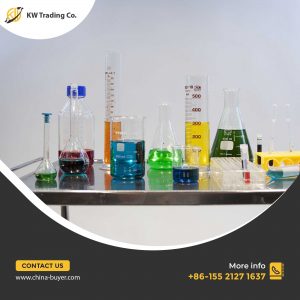
Chemicals
Chemicals are substances composed of atoms or molecules and are classified based on their composition, structure, and properties. They play a vital role in various industries, including pharmaceuticals, agriculture, manufacturing, and consumer products. Here’s an overview of the main types of chemicals:
1. Organic Chemicals
- Organic chemicals contain carbon atoms and are typically derived from living organisms. They are essential in the production of a wide range of products.
- Hydrocarbons: Compounds made solely of hydrogen and carbon, such as methane, ethylene, and benzene.
- Alcohols: Organic compounds with one or more hydroxyl (-OH) groups, such as ethanol and methanol.
- Acids: Organic acids contain carboxyl (-COOH) groups, such as acetic acid and citric acid.
- Amines: Organic compounds derived from ammonia, containing nitrogen, such as aniline and ethylamine.
2. Inorganic Chemicals
- Inorganic chemicals do not primarily contain carbon-hydrogen bonds and include a wide range of substances.
- Salts: Compounds formed from the reaction of an acid and a base, such as sodium chloride (table salt) and potassium sulfate.
- Metals: Elements that are good conductors of heat and electricity, such as iron, copper, and aluminum.
- Minerals: Naturally occurring inorganic substances, such as quartz (silicon dioxide) and calcite (calcium carbonate).
- Acids and Bases: Inorganic acids (e.g., sulfuric acid, hydrochloric acid) and bases (e.g., sodium hydroxide, potassium hydroxide).
3. Biochemicals
- Biochemicals are organic molecules produced by living organisms and are essential for life processes.
- Proteins: Large biomolecules made of amino acids, essential for structure and function in living organisms.
- Carbohydrates: Organic compounds made of sugar molecules, such as glucose and starch, providing energy and structural support.
- Lipids: Fatty acids and their derivatives, including fats, oils, and phospholipids, important for energy storage and cell membranes.
- Nucleic Acids: DNA and RNA, responsible for genetic information storage and transfer.
4. Industrial Chemicals
- Industrial chemicals are produced for use in manufacturing processes and are essential for various applications.
- Solvents: Substances used to dissolve other materials, such as acetone, ethanol, and toluene.
- Catalysts: Chemicals that speed up chemical reactions without being consumed, such as platinum and nickel catalysts.
- Surfactants: Compounds that lower the surface tension between liquids, used in detergents and emulsifiers.
- Pigments and Dyes: Substances used to impart color to materials, such as titanium dioxide (white pigment) and azo dyes.
5. Pharmaceutical Chemicals
- Pharmaceutical chemicals are compounds used in the development and production of medications and therapeutic agents.
- Active Pharmaceutical Ingredients (APIs): The biologically active components in medications, such as ibuprofen and amoxicillin.
- Excipients: Inactive substances used as carriers for the active ingredients in pharmaceuticals, such as lactose and starch.
- Biologics: Complex molecules derived from living organisms, including vaccines, monoclonal antibodies, and gene therapies.
6. Agricultural Chemicals
- Agricultural chemicals are substances used in farming to enhance crop production and protect against pests and diseases.
- Fertilizers: Nutrient-rich substances that promote plant growth, such as nitrogen, phosphorus, and potassium fertilizers.
- Pesticides: Chemicals used to control pests, including herbicides (weed control), insecticides (insect control), and fungicides (fungal control).
- Growth Regulators: Substances that influence plant growth and development, such as auxins and gibberellins.
7. Specialty Chemicals
- Specialty chemicals are produced for specific applications and often have unique properties.
- Adhesives and Sealants: Used to bond materials together, such as epoxy resins and silicone sealants.
- Coatings: Protective or decorative layers applied to surfaces, such as paints, varnishes, and powder coatings.
- Flavors and Fragrances: Chemicals used to impart taste and scent in food and consumer products.
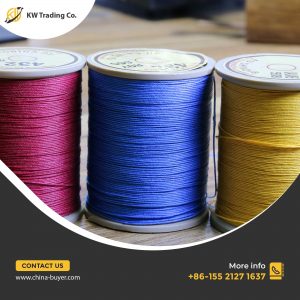
Textile and Fibers
- Textiles and fibers are essential materials used in a wide range of applications, from clothing and home furnishings to industrial products. They can be categorized based on their origin, structure, and properties. Here’s an overview of the main types of textiles and fibers:
1. Natural Fibers
Natural fibers are derived from plants, animals, or minerals. They are biodegradable and often considered more environmentally friendly than synthetic fibers.
- Plant-Based Fibers:
- Cotton: Soft, breathable, and absorbent, cotton is widely used in clothing, bed linens, and towels.
- Linen: Made from flax plants, linen is known for its strength, breathability, and natural luster. It is commonly used in summer clothing and home textiles.
- Jute: A coarse fiber used for making burlap, sacks, and ropes. Jute is biodegradable and often used in eco-friendly products.
- Hemp: Strong and durable, hemp is used in textiles, ropes, and eco-friendly clothing. It has natural antibacterial properties.
- Animal-Based Fibers:
- Wool: Obtained from sheep, wool is warm, elastic, and moisture-wicking, making it ideal for sweaters, blankets, and carpets.
- Silk: A luxurious fiber produced by silkworms, silk is known for its softness, sheen, and drape. It is commonly used in high-end clothing and accessories.
- Cashmere: Sourced from cashmere goats, this soft and warm fiber is used in premium sweaters and scarves.
- Alpaca: A soft and lightweight fiber from alpacas, known for its warmth and hypoallergenic properties, often used in sweaters and blankets.
2. Synthetic Fibers
Synthetic fibers are man-made and produced from chemical processes. They are often designed to mimic the properties of natural fibers or to provide specific performance characteristics.
- Polyester: A versatile and durable fiber, polyester is resistant to wrinkles, shrinking, and fading. It is widely used in clothing, upholstery, and industrial applications.
- Nylon: Known for its strength and elasticity, nylon is commonly used in activewear, hosiery, and outdoor gear.
- Acrylic: A lightweight and soft fiber that resembles wool, acrylic is often used in sweaters, blankets, and carpets.
- Spandex (Lycra): Known for its exceptional elasticity, spandex is commonly blended with other fibers to provide stretch in activewear and fitted clothing.
3. Blended Fabrics
Blended fabrics combine two or more types of fibers to enhance the properties of the final textile. Blending can improve durability, comfort, and performance.
- Cotton-Polyester Blend: Combines the softness of cotton with the durability and wrinkle resistance of polyester, commonly used in casual wear and home textiles.
- Wool-Polyester Blend: Enhances the warmth and breathability of wool while adding durability and ease of care from polyester, often used in outerwear.
- Silk-Cotton Blend: Offers the luxurious feel of silk with the breathability and comfort of cotton, commonly used in high-end clothing.
4. Technical Textiles
Technical textiles are engineered for specific performance characteristics and applications, often used in industrial, medical, and military settings.
- Geotextiles: Used in civil engineering and construction for soil stabilization, erosion control, and drainage.
- Medical Textiles: Used in healthcare applications, including surgical gowns, bandages, and implants.
- Protective Textiles: Designed for safety and protection, such as flame-resistant fabrics, bulletproof vests, and high-visibility clothing.
- Smart Textiles: Incorporate technology to provide additional functionalities, such as moisture-wicking, temperature regulation, or embedded sensors.
5. Eco-Friendly and Sustainable Textiles
With growing environmental concerns, there is an increasing demand for eco-friendly textiles made from sustainable materials and processes.
- Organic Cotton: Grown without synthetic pesticides or fertilizers, organic cotton is a more sustainable option for clothing and textiles.
- Recycled Fibers: Made from post-consumer waste, such as recycled polyester from plastic bottles, these fibers help reduce environmental impact.
- Bamboo Fabric: Made from bamboo pulp, this fabric is biodegradable and has natural antibacterial properties, often used in clothing and home textiles.
- Plant-Based Fibers:
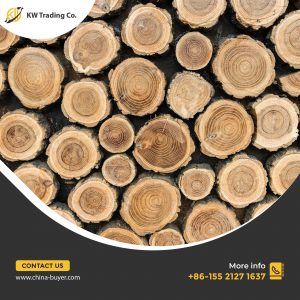
Wood and Paper Products
Wood and paper products are essential materials used in various industries, including construction, furniture manufacturing, packaging, and printing. They can be categorized based on their source, processing methods, and applications. Here’s an overview of the main types of wood and paper products:
1. Types of Wood Products
Wood products can be classified into several categories based on their processing and intended use:
- Lumber:
- Softwood Lumber: Sourced from coniferous trees (e.g., pine, spruce, fir), softwood lumber is commonly used in construction, framing, and furniture making due to its lightweight and ease of workability.
- Hardwood Lumber: Sourced from deciduous trees (e.g., oak, maple, cherry), hardwood lumber is denser and more durable, making it ideal for high-quality furniture, cabinetry, and flooring.
- Plywood
- Particleboard
- MDF (Medium-Density Fiberboard)
- Oriented Strand Board (OSB)
- Wood Composites
2. Types of Paper Products
Paper products are classified based on their manufacturing process, composition, and intended use:
- Printing and Writing Paper:
- This category includes various types of paper used for printing, writing, and copying.
- Copy Paper: Used in printers and copiers for everyday printing tasks.
- Notebook Paper: Used in notebooks and pads for writing and note-taking.
- Cardstock: A thicker paper used for business cards, invitations, and greeting cards.
- This category includes various types of paper used for printing, writing, and copying.
- Packaging Paper:
- Packaging paper is designed for wrapping, protecting, and containing products.
- Kraft Paper: A strong, brown paper used for bags, boxes, and wrapping.
- Corrugated Paper: Made from layers of paperboard, corrugated paper is used for shipping boxes and protective packaging.
- Newsprint: Lightweight paper used for newspapers and packaging.
- Packaging paper is designed for wrapping, protecting, and containing products.
- Specialty Paper:
- Specialty paper is designed for specific applications and often has unique properties.
- Photo Paper: Coated paper designed for high-quality photo printing.
- Tissue Paper: Lightweight and thin paper used for wrapping, crafts, and hygiene products.
- Thermal Paper: Coated paper used in thermal printers, such as receipts and labels.
- Specialty paper is designed for specific applications and often has unique properties.
- Recycled Paper
- Paperboard

Mineral Resources
Mineral resources are essential raw materials used in various industries, including construction, manufacturing, and agriculture. Here’s an overview of four key mineral resources: sand and gravel, clay, limestone, and gypsum.
1. Sand and Gravel
Sand and gravel are naturally occurring aggregates that are essential for construction and infrastructure projects. They are typically extracted from riverbeds, lakes, and quarries.
2. Clay
Clay is a fine-grained natural material composed of mineral particles that are smaller than 0.002 mm. It is known for its plasticity when wet and hardness when fired.
3. Limestone
Limestone is a sedimentary rock primarily composed of calcium carbonate (CaCO3). It is widely used in construction and various industrial applications.
4. Gypsum
Gypsum is a soft sulfate mineral composed of calcium sulfate dihydrate (CaSO4·2H2O). It is widely used in construction and agriculture.
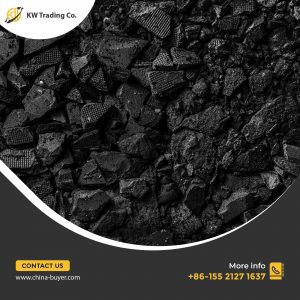
Energy Resources
Energy resources are critical for powering economies and supporting various industries. Among the most significant non-renewable energy resources are crude oil, natural gas, and coal. Here’s an overview of these energy resources.
1. Crude Oil
Crude oil is a liquid fossil fuel formed from the remains of ancient marine organisms. It is extracted from underground reservoirs and is a primary source of energy worldwide.
2. Natural Gas
Natural gas is a fossil fuel primarily composed of methane (CH4) and is found in underground rock formations, often in association with crude oil. It is considered a cleaner-burning alternative to coal and oil.
3. Coal
Coal is a solid fossil fuel formed from the remains of ancient plants that have undergone geological processes over millions of years. It is one of the most abundant energy resources globally.

Electronics and Semiconductor Materials
Electronics and semiconductor materials are fundamental to the functioning of modern electronic devices, from smartphones and computers to industrial machinery and renewable energy systems. These materials are categorized based on their electrical properties, applications, and manufacturing processes. Here’s an overview of the main types of electronics and semiconductor materials:
1. Semiconductor Materials
Semiconductors are materials with electrical conductivity between that of conductors and insulators. They are essential for the fabrication of electronic components such as diodes, transistors, and integrated circuits.
- Silicon (Si)
- Gallium Arsenide (GaAs)
- Silicon Carbide (SiC)
- Gallium Nitride (GaN)
- Indium Phosphide (InP)
2. Conductive Materials
Conductive materials are used to create electrical connections in electronic devices. They are essential for circuit boards, wiring, and interconnects.
- Copper (Cu)
- Aluminum (Al)
- Silver (Ag)
- Graphene
3. Insulating Materials
Insulating materials are used to prevent the flow of electricity between conductive components, ensuring the proper functioning of electronic devices.
- Silicon Dioxide (SiO2)
- Polyimide
- Epoxy Resins
4. Dielectric Materials
Dielectric materials are insulators that can be polarized by an electric field, making them essential for capacitors and other electronic components.
- Barium Titanate (BaTiO3)
- Tantalum Oxide (Ta2O5)
5. Magnetic Materials
Magnetic materials are used in various electronic applications, including data storage and electromagnetic devices.
- Ferrites:
- Ceramic compounds made from iron oxide and other metals, known for their magnetic properties. Used in inductors, transformers, and magnetic cores.
- Neodymium Magnets:
- Strong permanent magnets made from an alloy of neodymium, iron, and boron. Used in motors, hard drives, and various electronic devices.
China’s extensive manufacturing and processing capabilities allow it to supply raw materials in various forms, from unprocessed raw materials to semi-finished or finished products. The specific raw materials you can source from China will depend on your industry, requirements, and the availability of suppliers.
When sourcing raw materials from China, it’s essential to consider factors such as quality, price, logistics, and regulatory compliance. Conduct thorough due diligence and work closely with reliable suppliers to ensure that your raw material needs are met effectively and efficiently.
Discover Seamless Raw Materials Sourcing in China!
Don’t miss out on the opportunity to streamline your raw materials sourcing process and enhance your business’s efficiency. Let us be your trusted partner on the path to success.
Contact us today to start sourcing the finest raw materials from China – your gateway to quality and prosperity!
📞 Call us now to discuss your sourcing needs. Let’s build a brighter future together! 🌟
Contact us Today
Address : No 2707A , Seg Building , Huaqiang North Road , Futian District , Shenzhen , China
Whatsapp : +86-15521271637
Email : info@china-buyer.com
Frequently Asked Questions (FAQs)
What is raw materials sourcing ?
Raw materials sourcing involves identifying, evaluating, and procuring the necessary materials required for production from suppliers, particularly in regions known for their manufacturing capabilities, such as China.
Why source raw materials from China ?
China is known for its vast manufacturing infrastructure, competitive pricing, and a wide variety of raw materials. Sourcing from China can lead to cost savings, access to high-quality materials, and a diverse supplier base.
What types of raw materials can be sourced from China ?
A wide range of raw materials can be sourced, including metals (steel, aluminum), plastics, textiles, chemicals, wood, and more, depending on the industry and specific needs.
How do you ensure the quality of raw materials sourced from China ?
Quality assurance can be achieved through supplier audits, product inspections, certifications, and testing. Working with reputable suppliers and conducting regular quality checks is essential.
What are the common challenges in sourcing raw materials from China ?
Challenges may include language barriers, cultural differences, varying quality standards, logistics issues, and potential delays in shipping. It’s important to have a reliable sourcing partner to navigate these challenges.
How do you find reliable suppliers in China ?
Reliable suppliers can be found through trade shows, online platforms (like Alibaba), industry referrals, and sourcing agents who have local expertise and established networks.
What is the role of a sourcing agency in raw materials sourcing ?
A sourcing agency helps businesses identify suppliers, negotiate prices, manage logistics, ensure quality control, and handle communication, making the sourcing process more efficient and effective.
What are the costs associated with raw materials sourcing in China ?
Costs can vary based on the type of materials, order volume, shipping, tariffs, and agency fees. It’s important to conduct a thorough cost analysis before proceeding.
How long does the sourcing process typically take ?
The timeline can vary based on factors such as the complexity of the materials, supplier responsiveness, and shipping times. Generally, it can take anywhere from a few weeks to several months.
What are the payment terms when sourcing from China ?
Payment terms can vary by supplier but often include options like upfront deposits, letters of credit, or payment upon delivery. It’s crucial to agree on terms that protect both parties.
How do you handle logistics and shipping when sourcing from China ?
Logistics can be managed through freight forwarders or logistics companies that specialize in international shipping. They can assist with customs clearance, shipping documentation, and delivery.
What regulations should I be aware of when sourcing raw materials from China ?
It’s important to be aware of import regulations, tariffs, and compliance standards in your country, as well as any specific regulations related to the materials you are sourcing.
Can you assist with sustainable sourcing practices ?
Yes, many sourcing agencies can help identify suppliers that adhere to sustainable practices and certifications, ensuring that the raw materials are sourced responsibly.
What happens if there is a dispute with a supplier ?
A sourcing agency can help mediate disputes, facilitate communication, and work towards a resolution. It’s also advisable to have clear contracts and agreements in place to minimize conflicts.
How can I get started with raw materials sourcing in China ?
To get started, you can reach out to a sourcing agency, define your material needs, and discuss your requirements and budget. They can guide you through the entire process.